On the Adriatic, between Croatia and Albania, sits a country that uses the euro, charges low flat taxes and is negotiating to join the EU.
Montenegro has become a quiet favourite for founders and remote workers who want the Mediterranean without Western European tax.
What Montenegro offers Personal income tax from 9% to 15%, with a tax-free band on low wages.Company tax from 9%, rising in steps for larger profits.The euro as the national currency.A digital nomad permit for remote workers, and residence through company formation or property.Mountains and the Bay of Kotor, at a fraction of Riviera prices.Who it suits Founders who can run a small company from Montenegro.Remote workers on the nomad permit.Buyers who want coastal property and residency.How it works, step by step Form a Montenegrin company, often the quickest route to residence.Apply for temporary residence through the company, property or the nomad permit.Become tax resident with more than 183 days a year.Pay yourself a salary and dividends at the low flat rates.The numbers Say your small company makes €100 of profit and pays it out.
What you keep from €100 of company profit paid out to you.
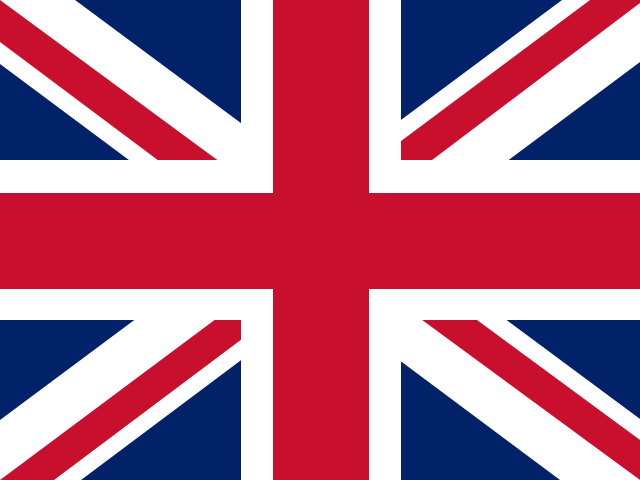
United Kingdom
25% company tax, then 39.35%
€45
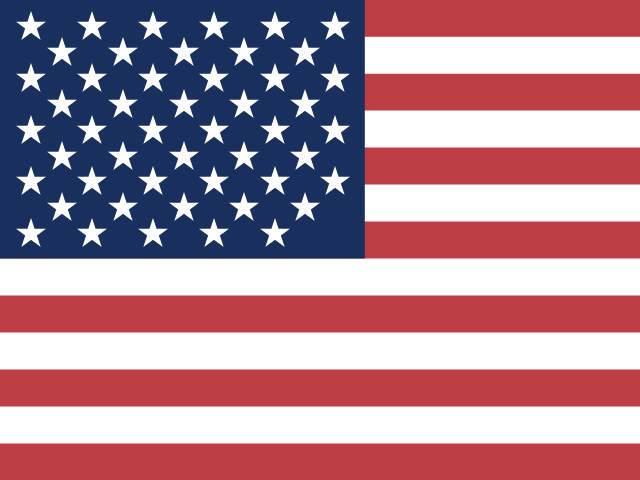
United States
21% federal company tax, then 23.8%
€60
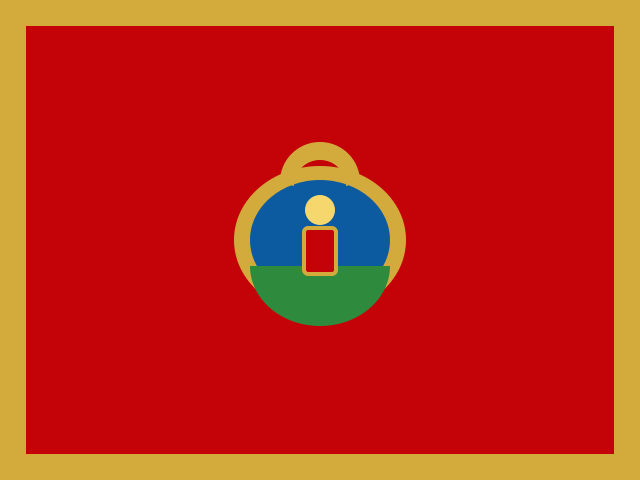
Montenegro
9% company tax, then 15% on the dividend
€77
Kept in Montenegro €77
Kept in the UK €45.50
Currency The euro
Adriatic living, flat-rate tax.
Headline rates for a small company, as an illustration. Rates were changed in recent reforms, so check the current figures.
What the posts leave out Rates have changed several times recently, so check the current figures before you plan.Social contributions apply to salaries. It is not yet in the EU, so residence there does not give EU rights.Banking can be slower than in Western Europe.Sam runs a small agency making €200,000 profit.
He leaves the UK properly and runs a Montenegrin company from Kotor.He keeps about €155,000 of the profit against about €91,000 through a UK company.The trap: the UK temporary non-residence rule if he goes back within five years.Nicole works for a US company and wants a year by the sea.
She lives in Montenegro on the nomad permit. The US taxes its citizens wherever they live, so a low local rate does not end US tax. Americans still file every year.Earned income: the foreign earned income exclusion (the first $132,900 for 2026) or credits for local tax paid usually remove most US tax on salary.Her real saving: leaving a high-tax state and a much lower cost of living.Is it right for you? Strong fit: small business owners and remote workers who want the Adriatic and the euro.Good fit: property buyers.Weak fit: anyone who needs EU residence rights now.See what Montenegro would mean for you Every number here is an illustration. Yours depend on how you earn, where you live now and what you own.
Architect 360°
An interactive private planning model.
You enter where you live, how you earn, what you spend and what you own It measures 71 destinations against your life It ranks the strongest options for you It shows what you would keep, what the move costs and the year you could stop working One year of access, $995.
Open Architect 360° Prefer to talk it through with a person?
Strategy Session, $1,997. Ninety minutes, one on one, to test Montenegro against your situation. Your $995 Architect 360° purchase is credited in full.One Country, $9,900. Montenegro mapped and filed, with your professional on the ground introduced.The Exit Plan, $27,500. Strategy, residency, tax and one more service, run as one coordinated engagement.The quickest way to compare Montenegro with your other options is Architect 360° .
When you are ready to set it up, that is our Global Tax Optimization desk.
← Browse All Insights
 Architect 360°
The Cost of Staying
Tax Engine
Cost of Living Simulator
Insights

 United Kingdom25% company tax, then 39.35%
 United States21% federal company tax, then 23.8%
 Montenegro9% company tax, then 15% on the dividend